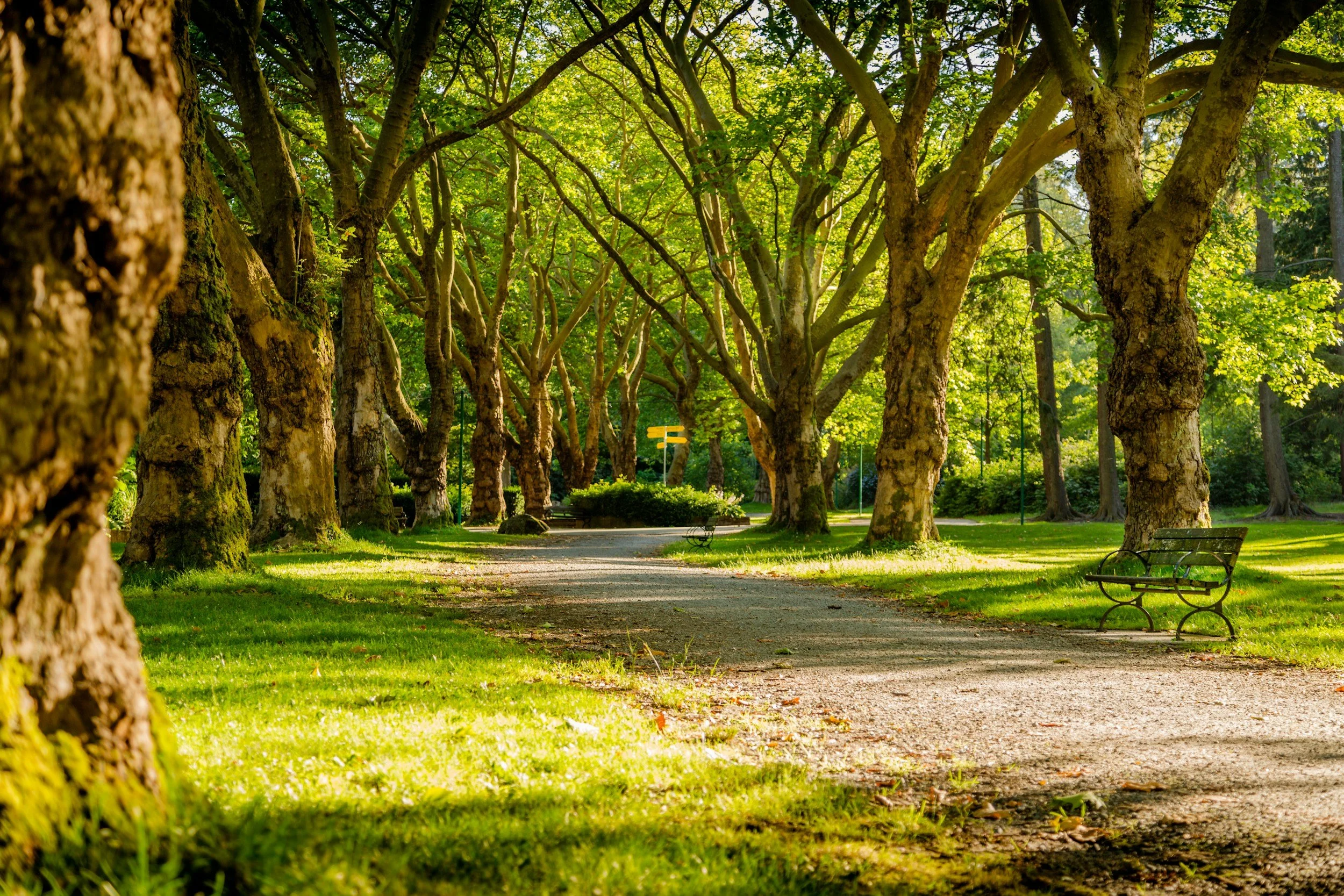
The Importance of Trails and Greenways
“Kenny Seamon’s fingerprints are seen through scores of projects in our community. His vision as to why the natural landscape is so important, combined with this enormous talent, has made him an irreplaceable asset to Mount Pleasant and to the greater Charleston area.
”
Why does a trail matter?
Most people think of trails as a place to walk the dog or go for a Saturday morning run. That’s true, and it’s also the least interesting thing about them.
Trails connect people to each other, to their community, and to the places they live in ways that roads and parking lots simply can’t. They create healthier neighborhoods, stronger local economies, and more livable cities. The research on this is clear and consistent. So is the lived experience of communities that have built them.
Here’s what the evidence shows.
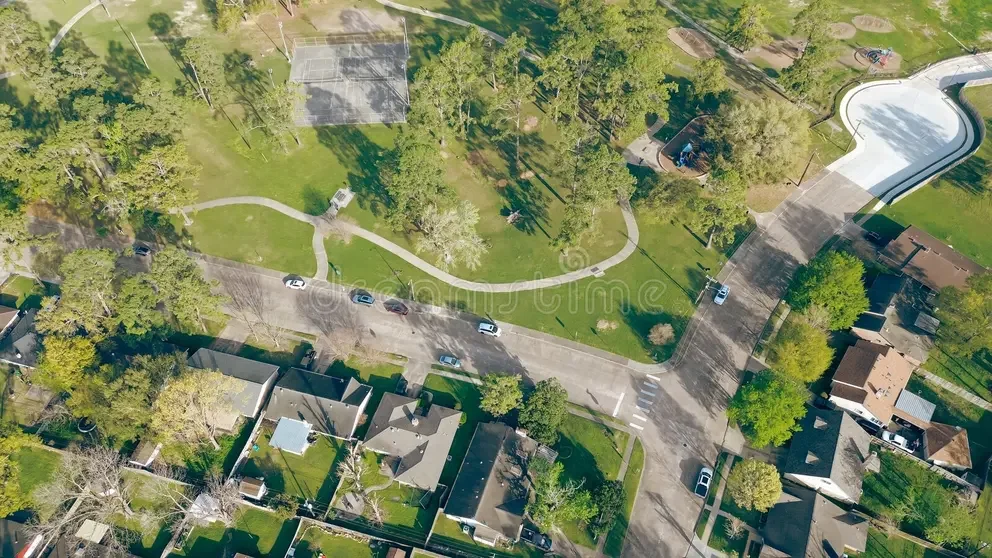
Economic Impact
Homes near trails sell faster and for more.
Studies across the country show that proximity to a trail increases residential property values by 1 to 6.5 percent. Real estate professionals in trail communities consistently cite trail access as a selling point. Not an amenity, but a driver of value.
The economic impact doesn’t stop at the property line. Businesses near trails see more foot traffic. Companies choosing where to locate increasingly consider quality of life factors, and trail infrastructure ranks high on that list. Communities that invest in trails are communities that attract investment in return.
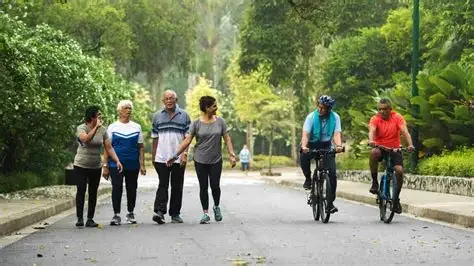
Health and Wellness
25% of Americans are physically inactive.
That’s not a statistic about effort or motivation. It’s largely a design problem. When trails are close to where people live, physical activity goes up. Not because people are trying harder, but because it becomes easier to move than to stay still.
The CDC and the Community Preventive Services Task Force both identify trails and greenways as proven tools for increasing physical activity at the community level. Proximity matters. When a trail is accessible, people use it.
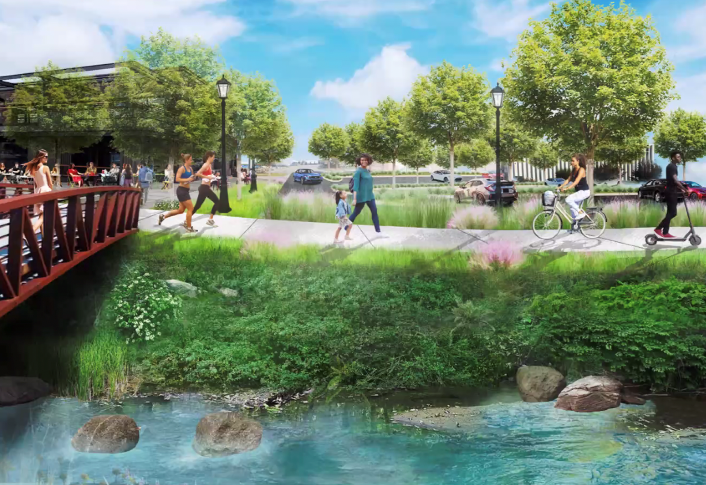
Transportation
1 in 4 trips is one mile or less. 3 in 4 of those trips are made by car.
Trails don’t replace roads. They give people a choice. For short trips — to school, to the coffee shop, to the park — a connected trail network makes walking and cycling a realistic option for the first time. That reduces traffic, reduces emissions, and gives people back time they’d otherwise spend in a car.
For Mount Pleasant, where growth has put pressure on roads and intersections, the Mount Pleasant Way isn’t just a recreational amenity. It’s infrastructure.
Environmental Benefits
Green corridors do more than look good.
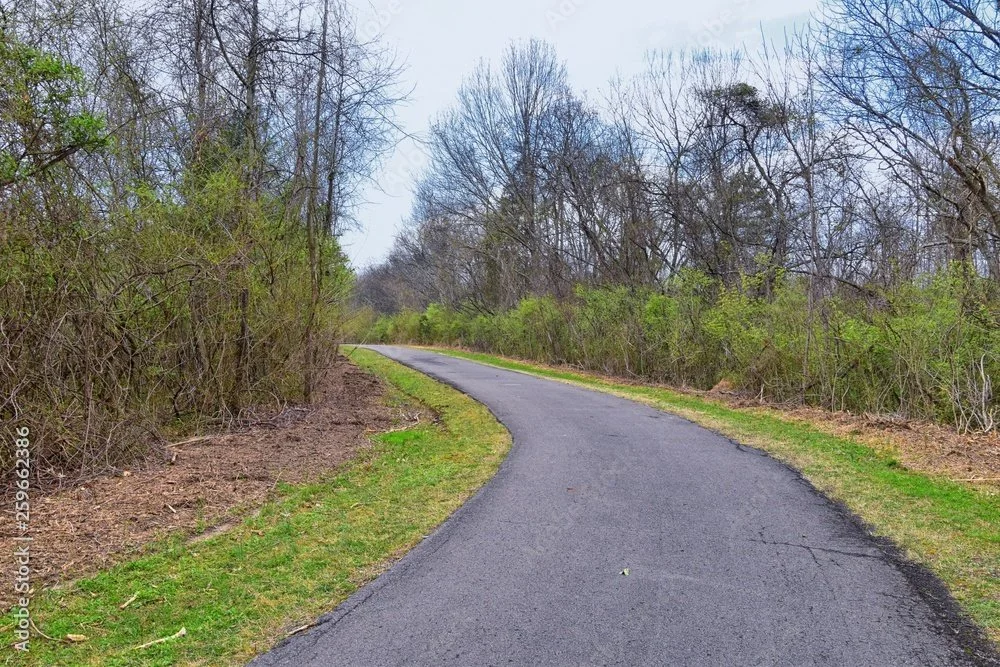
Greenways buffer pollution runoff before it reaches waterways. They preserve habitat corridors for wildlife. They filter air. They serve as outdoor classrooms for the schools and neighborhoods they connect.
In a coastal community like Mount Pleasant, where the natural environment is both a defining characteristic and an economic driver, protecting and enhancing green infrastructure isn’t optional. It’s essential.
Safe and Livable Communities
Trails are where communities happen.
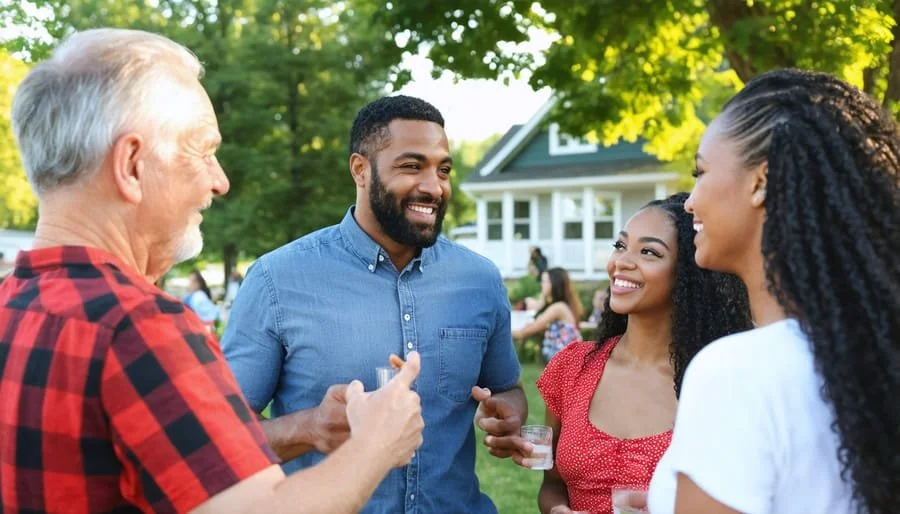
The research shows that neighborhoods with trails have lower crime rates, stronger social networks, and higher civic engagement. People who use trails together talk to each other. They know their neighbors. They have a stake in the place they live.
A trail isn’t just a path from Point A to Point B. It’s a place where a community experiences itself and decides, together, what kind of place it wants to be.
That’s what the Mount Pleasant Way is being built to do. And that’s what the Kenny Mile Foundation exists to support.